World of Interiors, August 1998
JOURNAL OF A COLLECTOR
NO MO’ BOHO SOHO
South of Houston in New York used to have a charm all of its own; now it shares the charms of every other major shopping district. Alistair McAlpine seeks respite by laying siege to Sarajo
On summer days, New York’s SoHo is a splendid place to walk. Its tall, cast-iron buildings still boast the classic details of the 19th century. Its streets are wide, its art galleries and restaurants numerous: all, it seems, is well in this unusual part of New York. The truth, however, is rather different, for SoHo is dying of shopping pollution. Thirty or so years ago, when SoHo was a place that offered large areas of cheap space, artists moved there—galleries followed, as did restaurants that catered for artists’ tastes and antique shops that sold architectural elements garnered from demolition sites. On their premises fairground figures, made redundant by the new all-singing, all-dancing rides, became works of art. Outdated equipment from factories was sold to decorate smart new apartments where it became sculpture. Poets, painters, dealers and their hangers-on mixed in SoHo restaurants and the world came to look at them. Where the world goes, however, retailers follow.
Now SoHo boasts many fine shops. Banana Republic, Benetton, Country Road, Replay and Victoria’s Secret are just a few of the major retailers that have taken vast premises in SoHo. Even Knoll has large premises selling universal modern furniture. The designer multiples are there as well: Dolce & Gabbana, Todd Oldham, Comme des Garçons and the rest, where once there were shops that sold the bizarre and the unique. There is nothing wrong with any of these new shops — but why would you go to SoHo to visit any of them, when they all have premises in the more accessible part of town?
Each of these fashion multiples pays top dollar for premises that were formerly occupied by retailers of curiosities, who could barely pay SoHo rents when they were cheap. It is true that a retailer such as E. Buk Antiques, a dealer in antique scientific instruments, early outboard motors and other curiosities, has survived, and stores such as Tootsi Plohound, a shoe shop worth a visit for its name alone, have arrived to lighten the onslaught from shops whose twins are found in all the world’s cities.
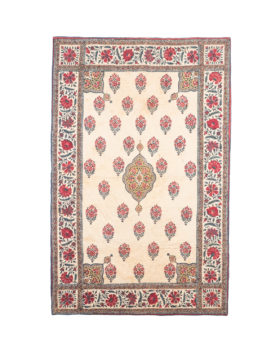
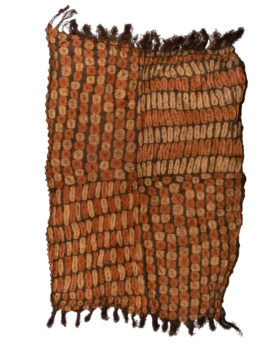
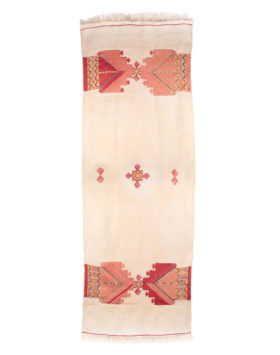
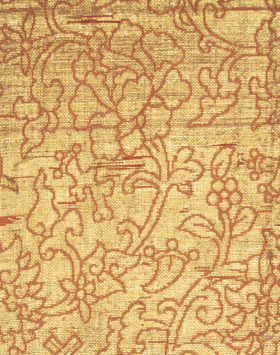
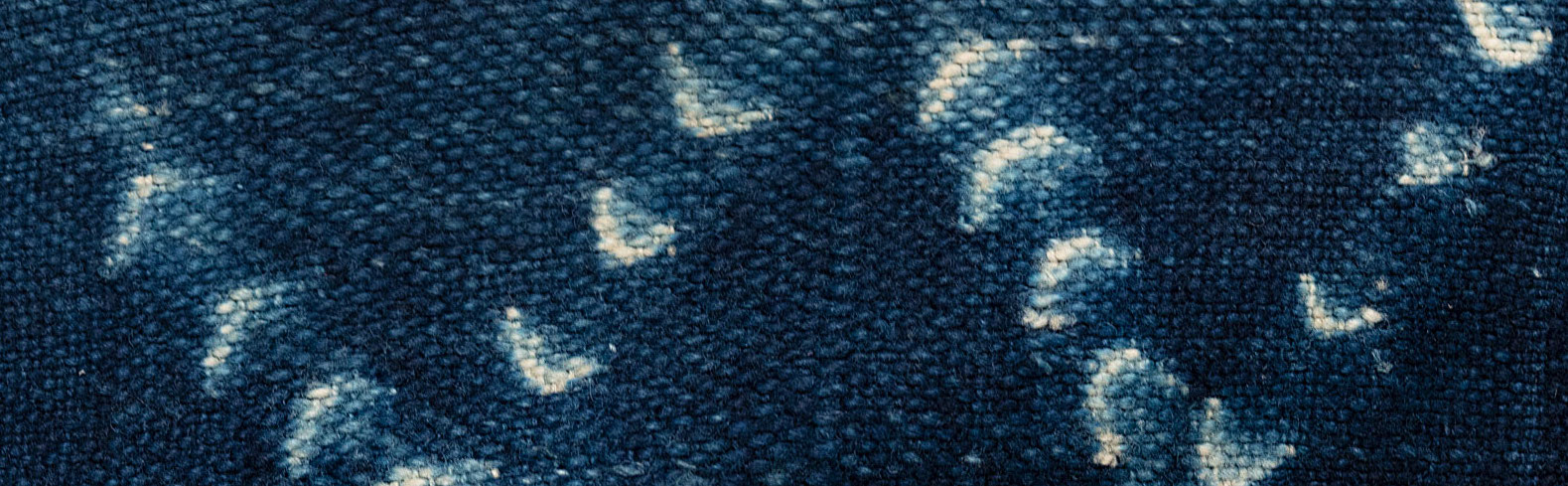
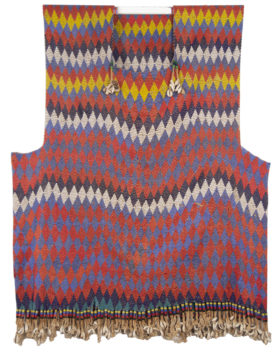
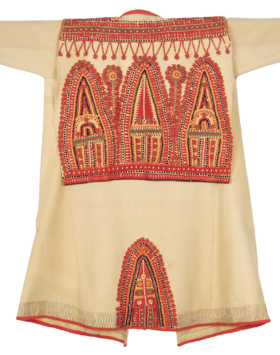
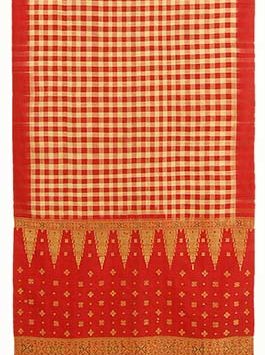
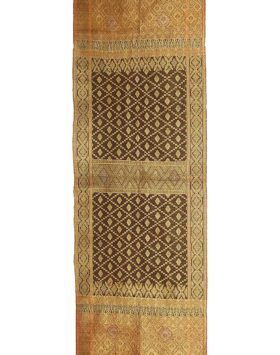
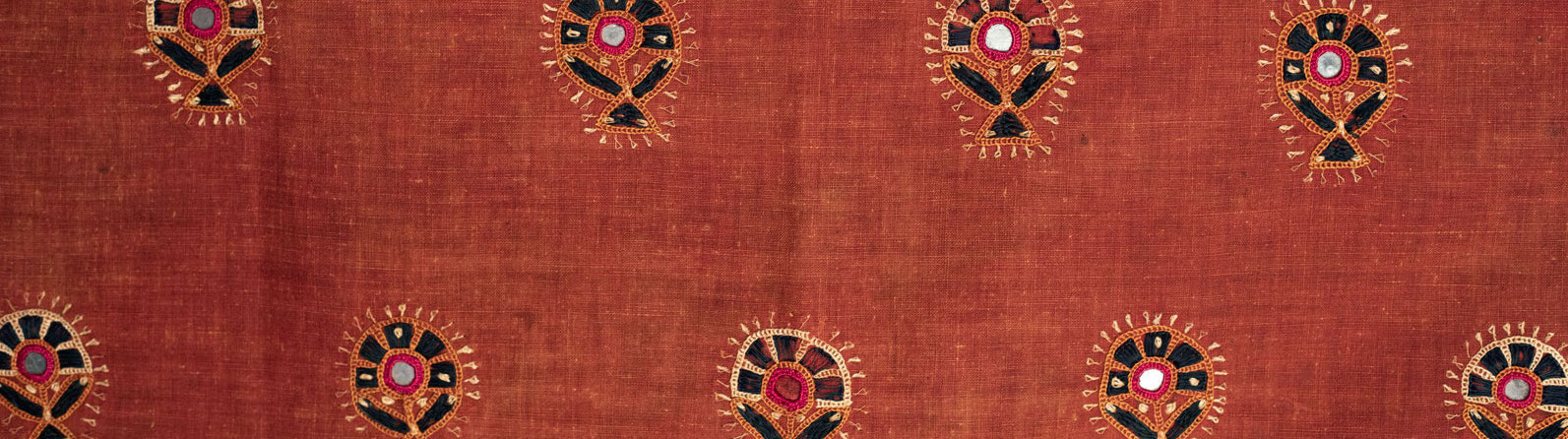
Amongst all this there is, however, a shop that has grown with SoHo. Though it has moved and modernised, it still feels like a treasure house — Sarajo, now at 130 Greene St, has textiles and traditional clothing from all parts of the world. The place is as beautiful as the goods it sells. No-one who visits can come away without a fleeting desire to become a collector. Its walls are lined with glass-fronted shelves piled with textiles. Each line of shelves accommodates textiles from a different region. This shop has all the attractions of a confectionery store.
As I was looking at this incredible stack of textiles one day, I heard a lady of a certain age announce, ‘I have seen all this before, in the Sixties on the King’s Road.’ She hadn’t, of course, because in those days textiles with the colours of the countries around the Caspian Sea weren’t available in the West. It was the collapse of Communism and the opening up of closed countries in the Far East at the beginning of the Nineties that brought so many wonders onto the market. The lady, I believe, was referring to the hippie culture and the brightly coloured cloths of British and American manufacture, not the silks found in Sarajo that look like the paintings of Mark Rothko and predate them by a hundred years. It’s shops like Sarajo, however, that still make it worthwhile for every serious collector to visit SoHo.